
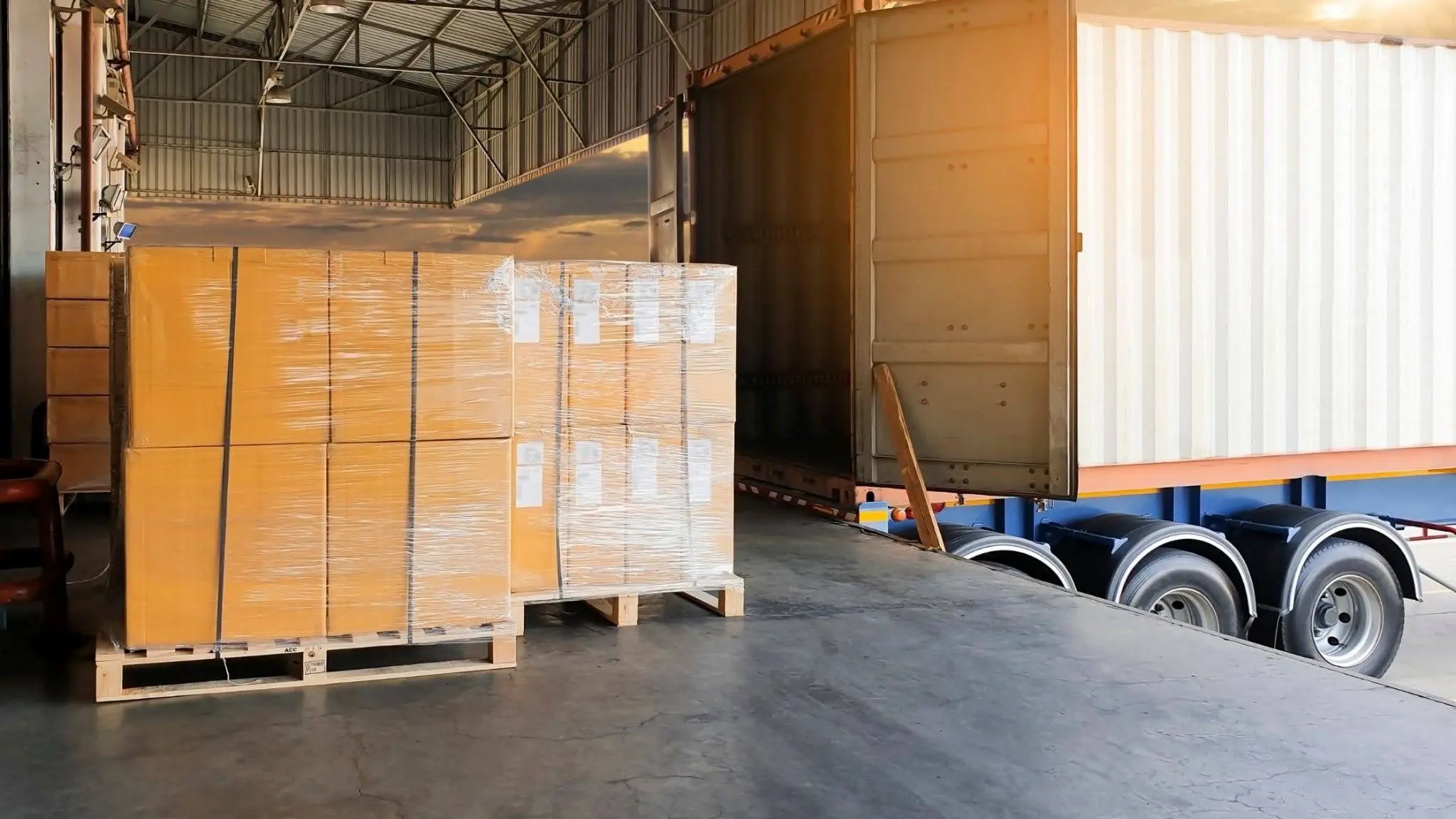
The loading dock is the hardest-working section of floor in most distribution facilities. It’s the interface between the building and the trailer backed up to it, exposed to weather, concentrated equipment traffic, and repeated impact in a way that the rest of a warehouse floor never sees.
For distribution and logistics operators along the Highway 99 corridor in Fresno County, here’s what actually goes into building a dock area floor that holds up, and what OSHA has to say about it.
Why Loading Dock Floors Wear Differently Than the Rest of the Warehouse
Every pallet that moves through a facility crosses the dock area at least twice, which concentrates forklift and pallet jack traffic into a much smaller footprint than the open floor space elsewhere in the building. That traffic isn’t evenly distributed either. It funnels through a handful of dock doors, wearing those specific zones far faster than a general industrial epoxy flooring system elsewhere in the warehouse.
Weather adds another layer. Open dock doors let in dust, temperature swings, and occasional wind-blown rain, conditions the interior of a climate-controlled warehouse simply doesn’t deal with.
What OSHA Actually Requires of These Surfaces
OSHA’s walking-working surfaces standard, 29 CFR 1910.22, requires that walking-working surfaces support the maximum intended load, stay clean and, to the extent feasible, dry, and remain free of hazards like holes, loose material, or corrosion. Where wet processes are involved, the standard specifically calls for drainage and dry standing places.
That standard has direct implications for a dock floor coating. A surface that bubbles, peels, or develops holes isn’t just a maintenance headache, it’s the kind of hazard the standard requires employers to correct or guard against before anyone uses that area again. Choosing a coating built to resist the specific wear a dock area sees is as much a compliance decision as it is a durability one.
The Dock Leveler Transition Zone
The point where a dock leveler or dockboard meets the building floor, covered under OSHA’s separate dockboards standard, takes repeated impact every time a loaded pallet jack or forklift crosses from the trailer bed onto the warehouse floor. That transition zone wears faster than almost anywhere else in the facility.
A thicker, impact-resistant coating build in this specific area, rather than a uniform thickness across the whole warehouse, addresses that concentrated wear directly and avoids the early chipping and cracking that shows up when this zone gets the same treatment as open floor space.
Weather Exposure at Semi-Open Bay Doors
Dock doors that sit open for loading and unloading create a transition zone between conditioned interior air and outside conditions, and in the Central Valley that means real heat, dust, and occasional storm exposure right at the threshold. A coating that performs well in the climate-controlled interior of a warehouse isn’t automatically built for that kind of exposure at the door itself.
This is a similar problem to what shows up in any exterior application, and it calls for a coating with enough flexibility and weather tolerance to handle the temperature swings that happen right at the dock door line, not just the stable conditions further into the building.
Scheduling Around an Operating Distribution Center
Most distribution centers can’t afford to shut down receiving or shipping for a flooring project. Working one dock door bay at a time, scheduled around slower shipping windows, keeps the rest of the facility receiving and shipping product while the coating cures.
Coordinating that schedule with the operations team ahead of time, rather than after the crew shows up, is what keeps a dock flooring project from turning into a bottleneck for the whole facility.
Building a Dock Floor That Keeps Up
A loading dock floor has to survive concentrated equipment traffic, repeated impact at the leveler transition, and weather exposure most of the rest of the building never sees. Getting the coating thickness and system right in these specific zones is what separates a dock area that holds up for years from one that needs attention every season.
If you’re planning a flooring project for a loading dock or distribution center in Fresno County, contact Fresno Epoxy Crew to schedule a free on-site evaluation. We’ll look at your dock doors and traffic patterns before recommending a system.
FAQ
Does OSHA require a specific type of flooring for loading docks? OSHA doesn’t name a specific flooring material, but it does require walking-working surfaces to support the maximum intended load, stay reasonably dry, and remain free of hazards, which effectively rules out a coating that’s failing or deteriorating in high-traffic dock areas.
Why does the area near the dock leveler wear out faster than the rest of the floor? That transition zone takes repeated impact every time equipment crosses from the trailer bed onto the building floor, concentrating wear into a small area that sees far more stress than open warehouse space.
Can a loading dock be recoated without shutting down the whole facility? In most cases yes, through phased installation that works through one dock door bay at a time, often scheduled around slower shipping and receiving windows to keep the rest of the facility operating.