
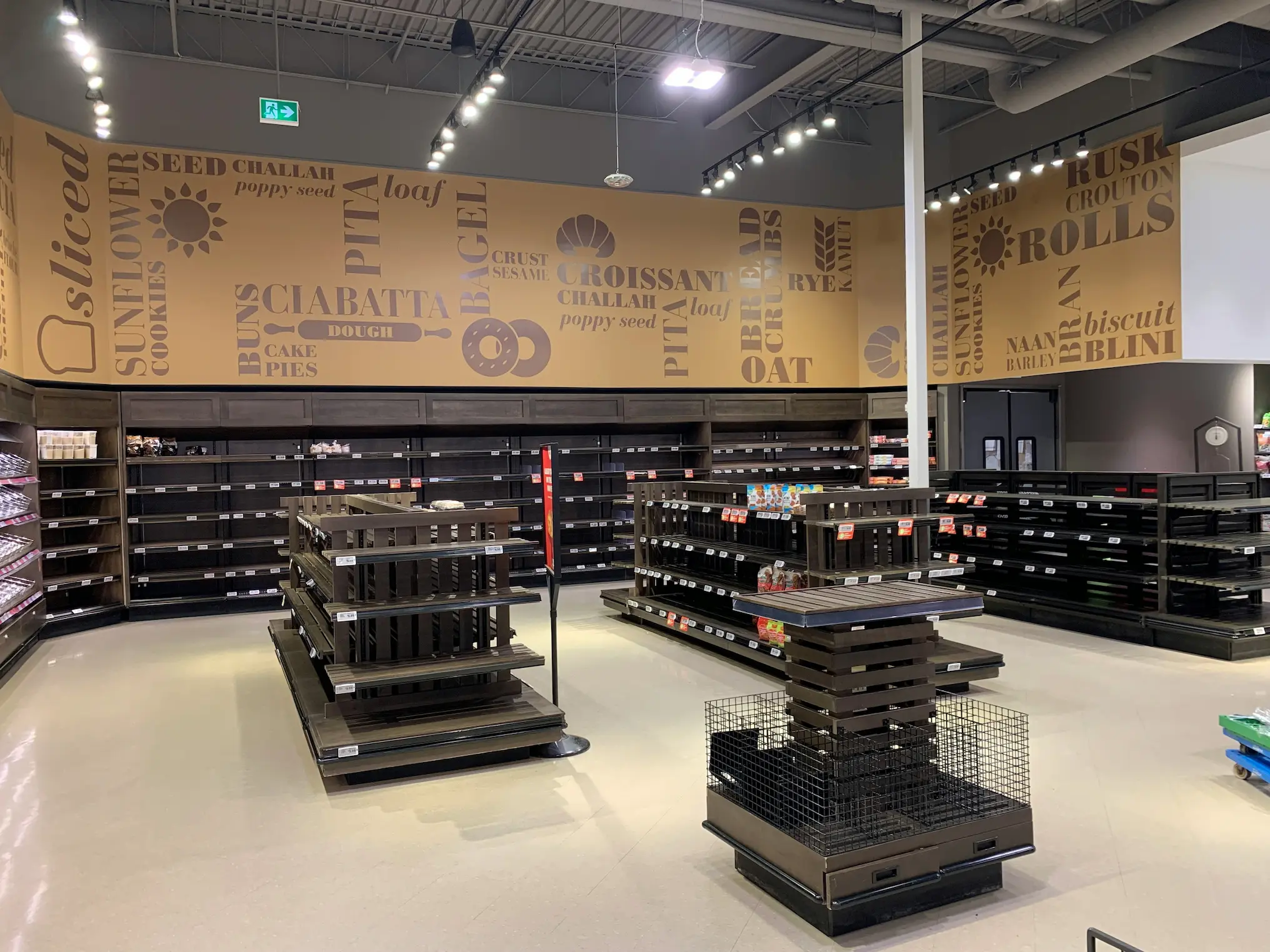
A retail floor works long before the first customer arrives. Staff roll carts across it, displays get rearranged and cleaning equipment moves through narrow aisles. By opening time, the floor has to be dry, safe and ready for people who will never think about what is under their feet.
Retail store epoxy flooring can provide a continuous, easy-to-clean surface over properly prepared concrete. The right system depends on the shop’s actual traffic, merchandise, cleaning methods and installation schedule. A glossy finish might look impressive in a photo but still be wrong for a busy entrance where rainwater gets tracked inside.
Start With the Way Your Store Operates
A clothing boutique, electronics showroom and neighborhood supply store place different demands on flooring. Some have display fixtures that rarely move; others use rolling racks, heavy deliveries or constant cart traffic.
Walk the space and mark where customers enter, how stock arrives, and which areas experience the most wear. A floor coating should support those movements, not force the staff to change how the store runs.
What Makes a Coated Concrete Floor Attractive for Retail?
A seamless coating can make routine maintenance easier because there are fewer grout joints or exposed concrete pores. It can also help create a consistent look across a showroom, service counter and aisle network.
Fresno Epoxy Crew lists retail stores and showrooms among the commercial spaces it serves. The company offers decorative and functional coatings, including options designed around traffic, chemical exposure and appearance. Ask which system suits your store instead of assuming every epoxy finish performs the same way.
Choose a Finish That Looks Good in Your Lighting
Floors do not look identical under daylight, warm display lamps and overhead LEDs. A dark glossy coating may mirror light fixtures and show dust more readily. A lighter matte or satin-looking option may feel different and make merchandise easier to see.
The exact visual outcome depends on product choice and the installed finish. View cured samples under the store’s lighting if possible, especially next to cabinets and display materials. Check whether the surface makes it difficult to see changes in level or edges.
Slip Resistance Where Customers Walk
Entry zones, beverage service areas and spaces near sinks may get wet. Ask the installer how the proposed finish manages traction in those conditions. Some coating systems allow a textured finish or traction aggregate.
More texture is not automatically better. It can change mop performance and how the floor feels under rolling displays or carts. Aim for a sensible balance between traction, maintenance and the store’s use, supported by product documentation.
What About Heavy Shelving and Rolling Carts?
Point loads from fixture feet, frequent deliveries and wheels can damage unsuitable coatings or the concrete below them. Record the heaviest equipment that moves through the space and the type of wheels it uses.
A floor coating cannot repair an unsound slab or substitute for structural capacity. For stores using stockroom carts, pallet jacks or heavy display units, discuss actual equipment loads with the contractor before specifying the system.
Concrete Preparation Matters Behind the Scenes
Existing concrete may have old adhesives, sealers, paint or patched sections. Good results require assessing the substrate and preparing it correctly. Cracks and moisture issues should be addressed as part of the scope, not hidden beneath a shiny finish.
Ask whether the quote includes surface preparation, repairs and the proposed coating layers. A lower quote that omits required preparation may not be comparable with a more complete installation.
How to Plan Installation and Store Closures
Installation affects revenue when the floor cannot be walked on. Discuss the store’s operating calendar and whether overnight, weekend or phased work is feasible. A coating may be available for light foot traffic before it can handle full store fixtures and stocking carts.
Plan for more than application time. Merchandise must move, surface preparation can be noisy and dusty without proper control, and coatings can have ventilation and cure requirements. The installer should supply a realistic, product-specific schedule and explain which areas must remain closed.
Cleaning After the New Floor Goes In
Maintain the finish using a cleaner approved for the installed coating. Sweep grit, clean spills before they become tracked through the shop and avoid abrasive tools that could dull the surface.
Keep a note of the coating product and care instructions for the cleaning team. If a section becomes slippery or shows unusual wear, have it assessed rather than applying an unapproved polish.
FAQ
Can a retail store stay open during epoxy installation?
Sometimes installation can be phased, but affected areas may need to close for preparation, application and curing. Confirm the schedule with the installer.
Is glossy epoxy too slippery for a shop?
Slip performance depends on the specific finish, texture and conditions. Ask for appropriate traction choices rather than judging by appearance alone.
Can epoxy be applied over old shop flooring?
The substrate and remaining materials must be assessed. Some floors require removal or specialized preparation.
Can rolling stock carts damage epoxy floors?
They can if loads, wheel materials or the coating specification are unsuitable. Share equipment details during planning.
Does the floor need special cleaning?
Use the manufacturer’s recommended nonabrasive cleaners and remove tracked grit regularly.
What Should a Retail Flooring Quote Include?
A useful proposal identifies concrete condition, floor preparation, any crack repair, the coating system and finish, scheduled downtime, product care instructions and the scope of work around fixtures. Ask about how display units will be moved and protected.
The best choice is not always the glossiest or most expensive floor. It is the one that works for customers, employees and the business’s actual cleaning routine.
Fresno Epoxy Crew provides commercial epoxy floor coatings in Fresno and surrounding Central Valley areas. Review the commercial services and request a site visit to discuss traffic, timing and suitable finishing options.