
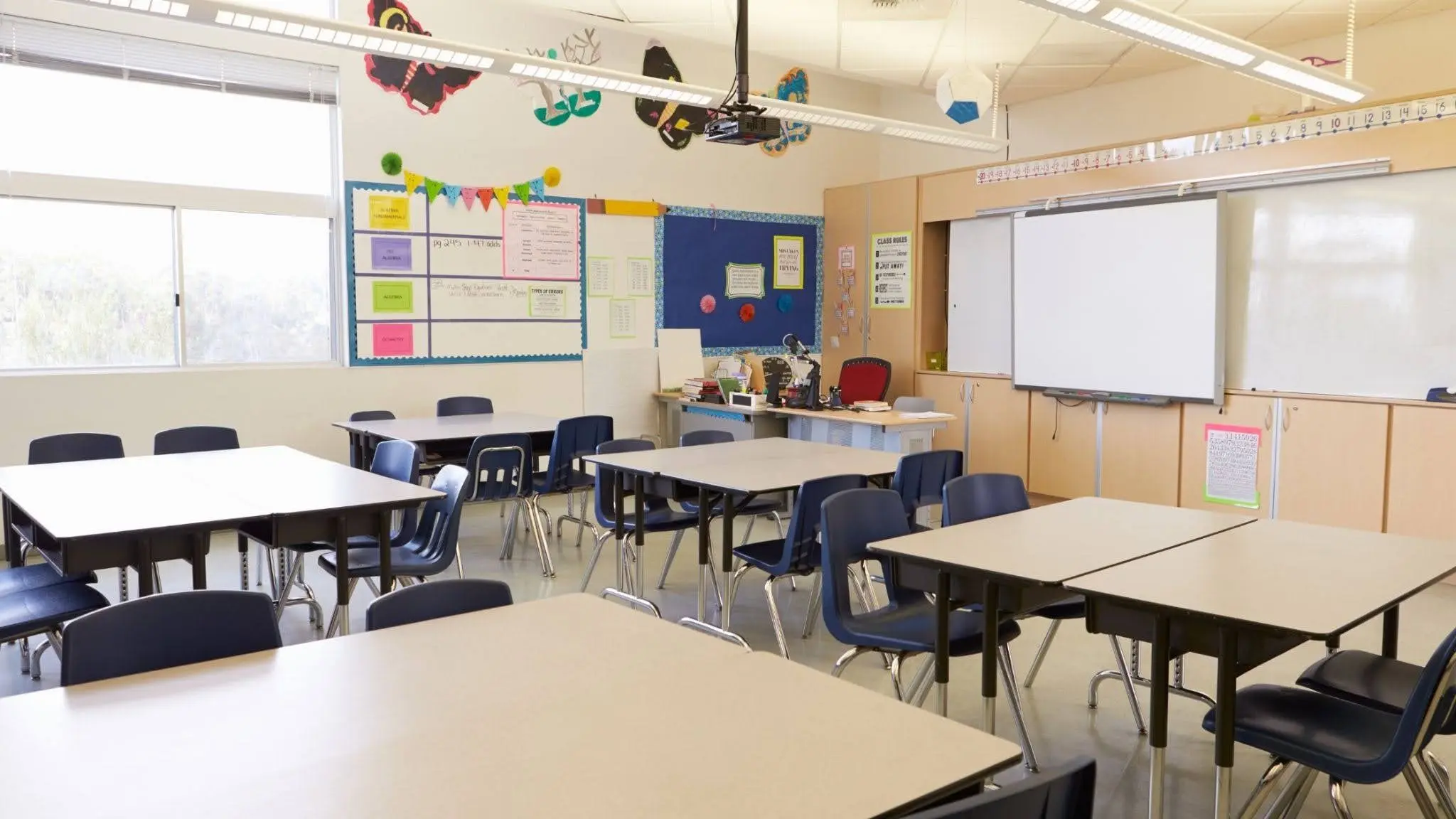
A licensed child care center’s floor gets inspected as part of the facility, not left entirely to the owner’s preference. California’s Title 22 regulations set the baseline standard that every licensed center has to meet, and that standard shapes what actually qualifies as an acceptable floor.
For center owners and directors in Fresno planning a flooring project, here’s what Title 22 actually requires and what to look for in a system that supports it.
What Title 22 Actually Says About Floors
California’s Title 22 regulations, enforced by the Department of Social Services, state plainly that the floors of all rooms in a licensed child care center shall have a surface that is safe and clean. That language is short, but it’s broad enough to cover everything from daily wear and tear to how easily a floor can actually be kept sanitary between cleanings.
The same section requires that the center as a whole be clean, safe, sanitary, and in good repair at all times, which puts ongoing floor condition on the same level of importance as any other part of facility upkeep an inspector will check.
Nonslip Requirements and Where They Apply
Title 22 also requires protective devices, including but not limited to nonslip material on rugs, as part of protecting children from hazards within the center. That requirement reflects a simple reality: young children run, jump, and move through a classroom in ways adults generally don’t, which makes slip resistance a bigger safety factor in a child care setting than in most commercial spaces.
Entryways, areas near sinks or water tables, and any zone where spills are common all deserve extra attention when it comes to traction, since these are exactly the spots where a slip is most likely to happen.
Napping, Diapering, and High-Contact Areas Need Something Different
Areas used for diaper changing have their own cleaning requirements under the broader licensing regulations, including disinfection of the floor space used for changing if it becomes soiled. That kind of frequent, thorough cleaning is far easier on a seamless, nonporous surface than on a floor with grout lines or seams where moisture and residue can collect.
Napping areas bring a different consideration. Floor mats used for napping have their own maintenance requirements, but the floor underneath still needs to support easy cleaning between uses, particularly in centers where nap mats are stored directly on the floor rather than on shelving.
Choosing a Durable, Easy-Clean System for a Working Classroom
A classroom floor takes a beating over the course of a school year: crayons, glue, spilled snacks, and constant foot traffic from children and staff alike. A seamless coated floor resists staining and holds up to that kind of daily wear far better than many traditional flooring options, while also making it easier to meet the “safe and clean” standard Title 22 calls for.
Color and design flexibility matters too in this setting. A coated floor can incorporate bright colors, activity zones, or simple design elements that make a classroom feel welcoming, without sacrificing the durability and cleanability the space actually needs.
Scheduling Around a Licensed Facility
Most child care centers can’t close for an extended period without disrupting families who depend on care, which makes scheduling a real factor in any flooring project. Phased installation, working through one classroom or area at a time, often during a weekend or a planned closure day, keeps most of the center operating through the project.
Any flooring change should also be coordinated with your licensing analyst if it affects a significant portion of the facility, since substantial changes to a licensed space can sometimes require notice to the Department before work begins.
Building a Floor That Meets the Standard
A child care center floor has to satisfy a regulatory standard, not just look good. Getting the durability, cleanability, and safety details right up front makes ongoing compliance easier and gives staff one less thing to worry about during an inspection.
If you’re planning a flooring project for a licensed child care center in Fresno County, contact Fresno Epoxy Crew to schedule a free on-site evaluation. We’ll walk your space and recommend a system built around how your classrooms actually get used.
FAQ
Does Title 22 require a specific type of flooring material? No. Title 22 requires that floors have a surface that is safe and clean, without naming a specific material, which leaves room for a range of flooring types as long as the surface meets that standard.
Do I need to notify my licensing analyst before a flooring project? For substantial changes to a licensed facility, notification or approval may be required, so it’s worth checking with your licensing analyst before major flooring work begins, particularly if the project changes the layout or use of a room.
Can a flooring project be completed without closing the whole center? In many cases yes, through phased installation that works through one classroom or area at a time, often scheduled over a weekend or a planned closure day to minimize disruption to families.